No products
Search
Latest articles
 The 8 Grand Crus of Vosne-Romanée
  Michelin Grapes: the 2026 ranking of Bordeaux châteaux
  Château Rayas and the Reynaud family’s treasures
 The 1855 Classification: when Napoleon III enshrined the elite of Bordeaux wines
Published on : 2026-04-17 17:03:55
Categories : ,

The 1855 Classification: when Napoleon III enshrined the elite of Bordeaux wines
In the world of wine, some dates transcend centuries like seals of eternity.
1855 is one of them. That year, at the request of Emperor Napoleon III, the most famous wine ranking ever created was born: the classification of Bordeaux Grands Crus Classés.
More than a hierarchy, this classification became an absolute symbol of prestige, rarity, and excellence. Even today, owning a bottle from this ranking means holding a piece of French history. But behind legendary names such as Lafite, Latour, Margaux, or Yquem, there are also rare promotions, exceptional revisions, and estates that joined this exclusive circle long after 1855.
Why did Napoleon III request this classification?
In 1855, Paris was preparing to host the Universal Exhibition, a showcase of French genius to the world. Napoleon III wanted to present the country’s finest achievements: industry, art, craftsmanship… and of course wine. Bordeaux, already recognised as one of the greatest wine regions in the world, was tasked with producing an official ranking of the best estates from the Médoc and Sauternes. The Bordeaux Chamber of Commerce entrusted the work to wine brokers, experts in market prices and trading values at the time. Their logic was simple: “the more expensive the wine, the more reputed it is.” The classification was therefore based on market value, a direct reflection of quality and international demand.
The five levels of Médoc prestige
The result was a five-tier hierarchy, from First Growth to Fifth Growth.
The original First Growths
- Château Lafite Rothschild
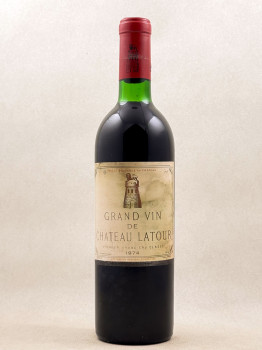
- Château Latour
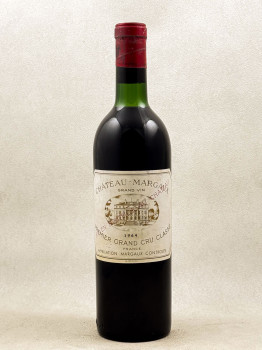
- Château Margaux
- Château Haut-Brion (the only estate outside Médoc, located in Pessac-Léognan)
These names instantly became the jewels of Bordeaux’s crown, embodying aristocratic finesse, controlled power, and exceptional ageing potential.
From Second to Fifth Growths
Behind them stand other prestigious estates: Léoville Las Cases, Pichon Baron, Gruaud Larose, Lynch-Bages, Pontet-Canet, and Grand-Puy-Lacoste.
Wines whose reputation has only grown over time, sometimes rivaling higher-ranked estates.
The unique case of Sauternes and Barsac
The 1855 classification does not only concern the red wines of the Médoc. The sweet wines of Sauternes and Barsac also received their own hierarchy.
A single absolute pinnacle: Château d’Yquem
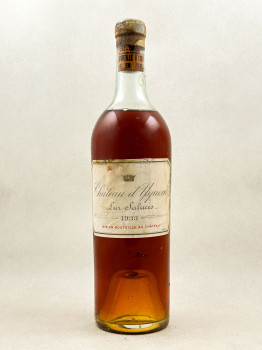
Above all stands one name alone: Château d’Yquem, designated Premier Cru Supérieur. No other estate holds this rank. A unique distinction in French wine history. Yquem is not merely a great sweet wine: it is a legend capable of shining across centuries.
Estates that joined or were modified after 1855
The 1855 classification is famously immutable. Yet history has seen a few rare changes.
Château Mouton Rothschild: the most famous promotion (1973)
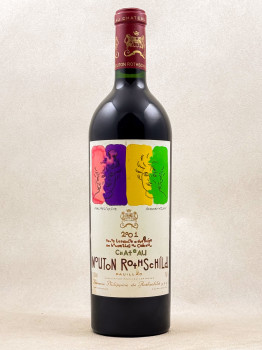
Long classified as a Second Growth, Château Mouton Rothschild spent nearly a century striving for the recognition it believed it deserved. Under Baron Philippe de Rothschild, the estate reached extraordinary quality levels. After decades of lobbying and undeniable excellence, Mouton was officially promoted to First Growth status in 1973 by the French Minister of Agriculture. It remains the only major change to the red wine classification since 1855. The château’s motto was then rewritten to become legendary:
“First I am, second I was, Mouton does not change.”
Cantemerle: an omission corrected in 1856
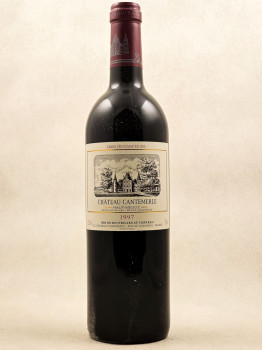
Another famous case: Château Cantemerle. Although legitimate, the estate was omitted from the original 1855 list. After appeal and supporting commercial evidence, Cantemerle was added in 1856 as a Fifth Growth. A swift correction that became part of Bordeaux history.
Why does this classification still matter today?
In a constantly evolving wine world, the 1855 classification remains an absolute benchmark. It reassures collectors, attracts investors, and fuels enthusiasts’ dreams. Buying a 1855 classified growth is not just buying a bottle. It means acquiring:
- A historical heritage
- A globally recognised signature
- Exceptional ageing potential
- Long-term patrimonial value
Which 1855 wines should you have in your cellar?
For investment
For pure tasting pleasure
For eternal sweet wine greatness
This empire born in 1855 is still very much alive
Napoleon III wanted to impress the world. He ultimately created far more than that: a timeless institution. The 1855 classification remains the ultimate reference for Bordeaux wines. Rarely changed, often imitated, never equalled, it continues to shape history with every opened bottle. And when the cork is pulled from a great classified growth, it is not just a wine expressing itself… it is a century and a half of French greatness.