No products
Search
Latest articles
 The 8 Grand Crus of Vosne-Romanée
  Michelin Grapes: the 2026 ranking of Bordeaux châteaux
  Château Rayas and the Reynaud family’s treasures
 Why Wines Age Better in Large Formats
Published on : 2026-04-16 14:38:41
Categories : ,

Why Wine Ages Better in Larger Formats
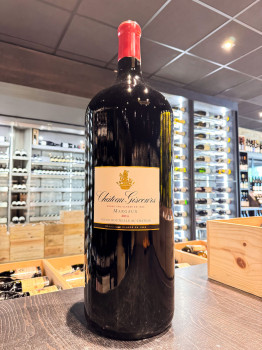
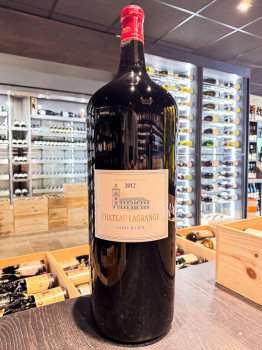
In the cellars of great collectors, certain bottles immediately catch the eye. Their imposing silhouette intrigues, their presence impresses, their promise fascinates. Magnum, Jeroboam or Methuselah are not merely spectacular formats: they are also remarkable vessels for time. For generations, knowledgeable enthusiasts and prestigious estates have understood that great wine often evolves better in a larger bottle. The magnum, in particular, has become the ultimate reference for long-term ageing.
The Magnum: The King of Wine Ageing Formats
Holding the equivalent of two standard bottles, or 1.5 litres, the magnum benefits from an almost ideal balance between the volume of wine and the amount of oxygen present beneath the cork. This more favourable proportion naturally slows the ageing process. The wine then evolves with greater patience, precision and harmony. Where a standard bottle may reach its peak more quickly, the magnum preserves the wine's youth while allowing its aromatic complexity to develop further.
Why Larger Formats Protect Wine Better
Slower oxygenation: After bottling, tiny exchanges of air continue to take place through the cork. In a larger format, this oxygenation acts on a greater volume of wine. The result: a smaller, more gradual and more subtle impact. Aromas develop with elegance, without haste.
Greater thermal stability: Larger bottles are more resistant to temperature fluctuations. Their greater liquid mass acts as a natural buffer against external changes. This thermal inertia protects the wine from temperature shocks, which can often lead to premature ageing.
A more refined evolution of aromas: Over time, tannins soften, textures integrate and bouquets gain depth. In a magnum, this transformation generally takes place with greater finesse. Great Bordeaux wines, refined Burgundy wines and vintage Champagnes often reveal an additional dimension when aged in larger formats.
The Prestige of Large Formats
Beyond the technical aspect, large formats also embody the art of entertaining. Opening a magnum instantly creates a special moment. The bottle impresses, brings people together and elevates the table. It evokes great celebrations, exceptional meals and memories worth marking. This is also why many estates reserve some of their finest wines for large formats, produced in limited quantities.
Which Wines Should You Buy in Magnum for Ageing?
Structured wines built to age are the ideal candidates. Great Bordeaux wines, Burgundy Pinot Noirs, vintage Champagnes or certain Rhône wines can express themselves magnificently in this format. For anyone looking to build a serious wine cellar, buying a few magnums is often a wise decision.
The Magnum: Between Science and Emotion
If large formats are so appealing, it is because they bring together two worlds: the precision of wine preservation and the magic of ceremony. Wine ages more slowly, and often more gracefully, while offering an incomparable experience when served. A magnum is therefore never simply a large bottle. It is a promise of patience, sharing and grandeur.
The Different Names Used for Large Formats by Major Wine Regions:
Champagne:
- 37.5 cl: Half Bottle
- 75 cl: Bottle
- 1.5 L: Magnum
- 3 L: Jeroboam
- 4.5 L: Réhoboam
- 6 L: Methuselah
- 9 L: Salmanazar
- 12 L: Balthazar
- 15 L: Nebuchadnezzar
- 18 L: Melchior
- 30 L: Melchizedek
Bordeaux:
- 37.5 cl: Half Bottle
- 75 cl: Bottle
- 1.5 L: Magnum
- 3 L: Double Magnum
- 4.5 L: Jeroboam
- 6 L: Imperial
- 9 L: Salmanazar
- 12 L: Balthazar
- 15 L: Nebuchadnezzar
- 18 L: Melchior
Burgundy:
- 37.5 cl: Half Bottle
- 75 cl: Bottle
- 1.5 L: Magnum
- 3 L: Jeroboam
- 4.5 L: Réhoboam
- 6 L: Methuselah
- 9 L: Salmanazar
- 12 L: Balthazar
- 15 L: Nebuchadnezzar