The 8 Grand Crus of Vosne-Romanée
  Michelin Grapes: the 2026 ranking of Bordeaux châteaux
  Château Rayas and the Reynaud family’s treasures
Château Lafite Rothschild: The Silent Legend of Pauillac
In the world of the great wines of Bordeaux, some names command respect. Others tell a story. But few become timeless symbols of luxury, elegance, and family heritage. Château Lafite Rothschild belongs to that almost unreachable category where wine ceases to be a simple product and becomes a work of patience and precision. From the gravelly heights of Pauillac, this First Growth classified in 1855 crafts vintages that have become legendary among collectors and wine enthusiasts around the world.
A Historic Estate That Became an Absolute Benchmark
The history of Lafite dates back to the 13th century, but the estate truly entered legend in 1868 when Baron James de Rothschild acquired the property. For more than 150 years, the Rothschild family has upheld a vision of wine where every detail matters: plot selection, yield management, barrel aging, and above all, absolute respect for the terroir. Unlike some prestigious estates seeking immediate power, Lafite cultivates a unique signature: finesse, length, and exceptional aging potential.
The Mythical Terroir of Pauillac
Unique Deep Gravel Soils in Bordeaux
The vineyard lies on a plateau of deep gravel soils formed thousands of years ago. These soils provide exceptional natural drainage, forcing the vines to draw resources from deep underground. This terroir gives rise to Cabernet Sauvignon wines of rare elegance, capable of expressing remarkable aromatic complexity after several decades of aging.
An Extremely Strict Plot Selection
One of the particularities of Château Lafite Rothschild lies in its rigorous grape selection. Only vines older than 10 years may enter the blend of the Grand Vin. Each plot is vinified separately in order to preserve the exact identity of each terroir. This parcel-by-parcel approach allows the technical teams to craft each vintage with near watchmaker precision.
A Production Method Different from Other Great Growths
Lafite does not seek to impress through excessive concentration or heavy extraction. The estate favors an approach based on balance, freshness, and aromatic subtlety. Fermentations are carried out under precise temperature control in order to preserve the natural elegance of the fruit. After fermentation, the wines continue to evolve for approximately 15 to 16 months in French oak barrels. This slow aging process brings depth, texture, and complexity without ever masking the identity of the terroir. Wine enthusiasts often describe Lafite as a “silent” wine. It never seeks demonstration. One frequently finds notes of cedar, graphite, blackcurrant, blond tobacco, and delicate spices, supported by a structure of remarkable precision.
The Wines Produced by Château Lafite Rothschild
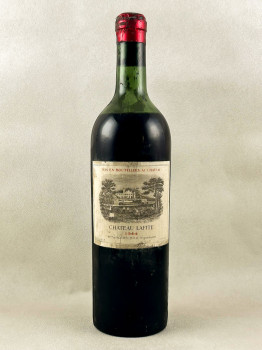
Château Lafite Rothschild: The estate’s Grand Vin. A global benchmark among the world’s most sought-after age-worthy wines.
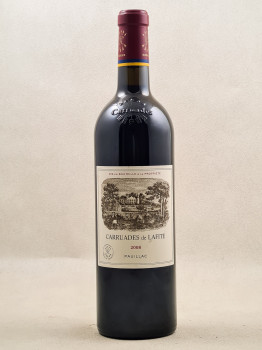
Carruades de Lafite: The estate’s historic second wine, crafted with a higher proportion of Merlot. It offers a more accessible approach to the Lafite style while retaining the elegance of Pauillac.
Anseillan: The estate’s latest creation since 2018, produced from specific plots of Lafite’s historic vineyard. A wine designed to express another interpretation of the Pauillac terroir.
Why Does Château Lafite Rothschild Fascinate So Much?
Because beyond rarity, Lafite embodies a form of timeless perfection. Each bottle becomes the testimony of a vintage, a climate, and a precise moment in the estate’s history. In the cellars of great collectors as well as on the finest gastronomic tables in the world, Château Lafite Rothschild remains an absolute symbol of great French wine. More than just a great Bordeaux growth, Château Lafite Rothschild represents a vision of wine where time, heritage, and precision become an art. Tasting a Lafite means discovering a rare balance between controlled power, aristocratic elegance, and pure emotion.